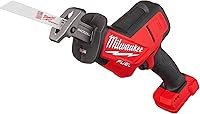
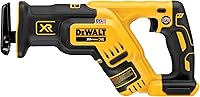
Hackzall vs Sawzall: Which Milwaukee Saw Do You Need? (November 2026)
In the Hackzall vs Sawzall choice, pick a Hackzall for tight-space repairs and overhead access. Choose the M18 FUEL Sawzall for open-access projects where its blade clamp and reinforced battery connection fit your work.
On this page (11 sections)
- Hackzall vs Sawzall: what's the practical difference?
- Which Milwaukee model should you choose?
- Which tool fits tight spaces and overhead work?
- How does the 2719-20 compare with the 2625-20?
- Which saw suits demolition and heavier cuts?
- Do Hackzall and Sawzall blades differ?
- How should you set up the saw before the first cut?
- What common mistakes should you avoid?
- How do you care for the saw and battery?
- What should you check before ordering?
- Hackzall vs Sawzall: which Milwaukee saw should you get?
For Hackzall vs Sawzall, choose a Hackzall for cramped repairs and overhead access, or the M18 FUEL Sawzall for accessible renovation cuts where you can hold a steady position. Start with where the cut happens, then choose the model features that help you finish it.
The Milwaukee 2719-20 is the stronger fit for buyers who want a compact saw with a brushless motor and pivoting shoe. The 2625-20 suits occasional repairs, while the Sawzall offers a lever-actuated blade clamp and reinforced battery connection.
All 3 are bare tools, so include a compatible battery and charger in your buying plan.


Hackzall vs Sawzall: what's the practical difference?
The practical difference is how the saw fits around the work and how you can hold it. Both Hackzalls here use compact, one-handed designs that suit cuts beside obstructions or above shoulder level.
That layout matters when replacing a short pipe section, trimming exposed framing or reaching between nearby surfaces. You still need space for the blade to travel and enough room to brace the saw against the material.
The M18 FUEL Sawzall is worth choosing for accessible renovation work where its blade-change system and reinforced battery connection serve your routine. Its name isn't a reason to expect a faster cut through every material.
If you're new to these tools, our guide to reciprocating saws and multi-tools explains their place in a tool kit. For the naming question, see whether a Sawzall is the same as a reciprocating saw.
Which Milwaukee model should you choose?
Choose the 2719-20 for frequent cramped repairs, the Sawzall for accessible demolition tasks, or the 2625-20 for occasional home maintenance. Each fits a different work pattern, so buy around your next several projects.
Milwaukee 2719-20: for repairs around obstructions
Choose the 2719-20 when your cuts often happen beside pipes, framing or nearby surfaces. Its shoe can pivot as the cutting angle changes, helping you keep the tool supported against the work.
That support matters because an unbraced reciprocating saw can bounce and pull at the blade. Milwaukee also includes overload protection, though you should still stop and correct a binding cut instead of forcing the tool.
Skip it if your main goal is precise finish work, such as a visible furniture edge or a neatly shaped opening. A reciprocating saw is better suited to removal and rough cutting than to leaving a finished surface.
Milwaukee M18 FUEL Sawzall: for accessible renovation cuts
Choose the 2821-20 Sawzall when you have room to position yourself and expect to change blades as materials change. A renovation job may call for separate blades for wood and metal rather than one blade forced through everything.
Milwaukee says the reinforced battery connection improves durability and battery retention. That feature suits buyers who put connection security high on their checklist.
Skip it if most cuts require long reaches or awkward overhead holds. The tool weighs 6.8 lb before you add a battery, so consider the complete working weight alongside the position you'll need to maintain.
Milwaukee 2625-20: for occasional repair tasks
Choose the 2625-20 for a tool kit built around small wood, PVC and metal repairs. Its light helps you see the cut line, and the tool-free clamp makes changing between suitable blades straightforward.
It accepts M18 compact and XC high-capacity lithium-ion batteries. If you already use that platform, check your exact battery and charger compatibility before adding another tool.
Skip it if you specifically want the 2719-20's brushless motor and pivoting shoe. Buy for the features you'll use rather than expecting the 2 Hackzalls to behave identically.
Which tool fits tight spaces and overhead work?
A Hackzall is the better starting point for restricted access, but the tool body is only part of the fit. Check the space needed for your hand, the battery and the blade throughout the stroke.
Before buying, picture the shoe resting against the material at the intended angle. If a cabinet side or wall prevents that contact, a compact body alone won't solve the cut.
Leave room behind the work as well. The blade tip moves beyond the visible cut line, so look for wiring, pipes and nearby surfaces before starting.
Hackzall vs Sawzall for overhead cuts
For overhead cuts, favor reach and a stable stance over a longer blade or a stretched arm. Bring yourself into a controlled working position instead of reaching farther because the tool permits one-handed use.
Keep your free hand away from the blade path and falling offcuts. A one-handed design doesn't mean you should hold a loose workpiece with your other hand while cutting.
Secure the work, wear eye protection and keep people clear below it. Stop if the position forces you to lean, twist or lose a firm grip.
How does the 2719-20 compare with the 2625-20?
The 2719-20 combines a longer stroke with a pivoting shoe, while the 2625-20 offers an LED and quick-lock clamp for routine setup. Choose based on those differences rather than the shared Hackzall name.
The stroke lengths are 7/8 in on the 2719-20 and 3/4 in on the 2625-20. Stroke length is the distance the blade moves, not the maximum thickness the saw can cut.
A longer stroke moves the blade farther on each cycle, but blade teeth, material and feed pressure also affect progress. It isn't a stand-alone measure of which tool will finish your particular cut sooner.
For repeat repairs in changing positions, favor the 2719-20's shoe. For occasional tasks where illumination and easy blade swaps meet your needs, the 2625-20 is a practical fit.
Which saw suits demolition and heavier cuts?
For demolition, choose a saw you can brace firmly through the whole cut. The Sawzall fits accessible removal work, while a Hackzall makes more sense when an obstruction limits your working position.
Plan where the removed section will fall and how the remaining material will stay supported. A falling offcut can pinch the blade or pull the saw as the cut finishes.
Check walls and enclosed spaces for hidden services before cutting. Avoid blind plunge cuts until you've established what's behind the surface and confirmed the method is suitable for the tool.
For repeated cuts, consider how often you'll reposition, swap blades or pause for battery changes. A comfortable grip at the start matters less if you can't keep control as the work progresses.
Read what a reciprocating saw is used for for suitable jobs. For steel pipe or other metal work, our guide to cutting metal with a reciprocating saw covers the blade and setup choices.
Do Hackzall and Sawzall blades differ?
Choose blades by tool compatibility, material and required reach, rather than the name on the package alone. The 2625-20 accepts Sawzall and Hackzall blades; confirm the approved blade fit for your exact model.
For wood, choose a wood blade or a suitable nail-embedded-wood blade when fasteners may be present. For metal, match the tooth spacing and blade type to the material thickness.
Thin material needs enough teeth engaged to avoid snagging. Thick stock needs room for chips to clear, so a blade suited to thin sheet isn't automatically a good choice for lumber.
Use enough length to keep the blade tip beyond the material throughout the stroke. Excess length can flex or strike something behind the work, so the longest blade isn't always the safest choice.
Follow our guide to changing a reciprocating-saw blade alongside the tool instructions. After installation, check that the blade is locked before reconnecting power.
How should you set up the saw before the first cut?
Start with a secured workpiece, the correct blade and a clear cutting path. Good setup prevents much of the bouncing, binding and wandering that makes a rough cut harder to control.
- Remove the battery before fitting the blade. Follow the clamp instructions and check that the blade seats fully.
- Support both the work and the offcut. Arrange them so the cut won't close around the blade as the pieces separate.
- Check the hidden side. Allow clearance for the blade's full travel, not just the thickness you can see.
- Bring the shoe against the work. Keep that support as the cut progresses, following the model's grip instructions.
- Start under control. Let the blade establish its path, then feed steadily without forcing the tool.
On round pipe, secure the material so it can't roll. For thin stock, add suitable support near the cut to limit movement without putting clamps in the blade path.
If the blade binds, release the trigger and wait for it to stop. Disconnect the battery before freeing the blade or changing the support.
Our guide to using a reciprocating saw explains the cutting sequence in more detail.
What common mistakes should you avoid?
The most common mistakes are forcing a dull blade, cutting unsupported material and choosing reach over control. Fix the blade or setup before blaming the saw.
Pushing harder when cutting slows
Extra pressure can bend the blade, increase heat and make the saw harder to hold. Check for worn teeth, a pinched cut or the wrong blade before adding force.
A blade that wanders or needs constant pushing may need replacement. Stop to inspect it with the battery removed.
Holding the shoe away from the work
Cutting with only the blade touching the material leaves the tool poorly supported. Position the shoe against the work wherever the tool instructions allow, and maintain contact as the angle changes.
Twisting the blade to steer
A reciprocating saw blade can flex, but twisting it in a cut increases the chance of binding or damage. Stop and reposition when the cut needs a different angle.
Expecting a finished edge
These saws suit removal and rough cuts. For a small, controlled opening beside trim or another finished surface, compare a reciprocating saw with an oscillating multi-tool before choosing the tool.
How do you care for the saw and battery?
Keep the blade clamp, vents and battery connection clear of debris. Remove the battery and let the blade cool before cleaning or inspecting the tool.
Brush away loose dust and chips using the method in the manual. Avoid directing water into the saw, and don't add oil to the clamp unless the instructions call for it.
Inspect blades for bent sections, cracks or damaged teeth before reuse. Replace damaged blades rather than trying to straighten them for another cut.
Follow the battery instructions for charging and storage, including temperature limits. If the tool stops under load, check the cut, blade and battery condition before restarting.
What should you check before ordering?
Confirm the complete setup you need, including power, blades and work support. A bare tool is convenient for an existing M18 user, but a new buyer needs more than the saw itself.
Check these points against your next project:
- Working position: Can you stand securely and keep the saw braced?
- Access: Is there room for the tool, battery, grip and moving blade?
- Materials: Do you need separate blades for wood, metal or PVC?
- Power: Do you have a compatible battery and charger?
- Finish: Is a rough removal cut acceptable?
If you're still choosing a battery platform, read our guide to choosing a cordless reciprocating saw. For alternatives beyond these Milwaukee models, browse our best reciprocating saws.
Hackzall vs Sawzall: which Milwaukee saw should you get?
For Hackzall vs Sawzall, buy around the cuts you repeat most. Choose the 2719-20 for cramped repairs, the 2625-20 for occasional maintenance, or the M18 FUEL Sawzall for accessible renovation work.
Before ordering, identify your hardest-to-reach cut and the materials you'll need to remove. That gives you a useful check on access, blade choice and working position.
If the compact FUEL model fits those jobs, read our Milwaukee 2719-20 M18 FUEL Hackzall guide for a closer look at its features.
Frequently asked questions
Is a Hackzall the same as a Sawzall?
Both are Milwaukee reciprocating saws, but Hackzall identifies the compact, one-handed designs compared here. Choose between them by access and grip, then compare the exact models; the Sawzall name alone doesn't tell you blade-change features, tool weight or which saw fits your work area.
Can a Hackzall replace a Sawzall?
A Hackzall can be your only reciprocating saw for small repairs if it reaches the cut and accepts the right blade. For repeated demolition, consider your stance, material support and workload before choosing; a compact shape helps with access, but it doesn't make every cut practical.
Which Milwaukee Hackzall is brushless?
The Milwaukee 2719-20 M18 FUEL Hackzall has a POWERSTATE brushless motor. Choose it when you want that motor alongside a pivoting shoe for cramped repair work; if you mainly make occasional cuts, weigh those benefits against the 2625-20's LED, quick-lock clamp and your existing battery setup.
Can these saws cut metal?
All 3 saws support metal-cutting applications when fitted with a suitable blade. Secure the material, keep the shoe against the work and use a controlled feed; our guide to cutting metal with a reciprocating saw explains blade choice and setup before you start.