Can a Reciprocating Saw Cut Metal?
Yes, use a reciprocating saw for metal when you need rough cuts in pipe, fasteners, or sheet. Fit a metal-cutting blade matched to the thickness, clamp the work, and keep the shoe against it.
On this page (8 sections)
- What metal can a reciprocating saw cut?
- How do you choose a reciprocating saw for metal?
- Which blade should you buy for metal?
- How do you set up and cut metal?
- How do you prevent chatter, binding, and overheating?
- How should you support pipe and sheet metal?
- How do you care for the saw and blades afterward?
- Which setup should you choose for your metal cuts?
Yes, a reciprocating saw for metal works well for rough cuts in pipe, conduit, fasteners, and suitable sheet metal. Use a metal-cutting blade matched to the thickness, secure the piece, and keep the saw's shoe against the work.
Choose it for removing old material or cutting where a larger saw cannot fit. For neat edges or repeated cuts to an exact length, a dedicated metal-cutting tool usually makes more sense.
What metal can a reciprocating saw cut?
A reciprocating saw can cut common metal stock and hardware, including steel tubing, metal studs, bolts, and nails, with a suitable blade. The blade must suit both the metal and the thickness at the cut.
Thin sheet and hollow tubing need support because they can shake or catch on the teeth. Thick solid stock puts more demand on the blade and takes longer to cut.
A blade suited to mild steel is not automatically right for stainless steel, cast iron, or hardened fasteners. Check the blade's material guidance before starting an unfamiliar job.
How do you choose a reciprocating saw for metal?
Choose for access, speed control, and workload, then buy the right blade separately. A larger saw cannot make up for teeth that are wrong for the metal.
A variable-speed trigger helps you start a notch without bouncing across the surface. The shoe should reach the work so you can brace the saw instead of holding it away from the cut.
For occasional repairs in cramped spaces, a compact cordless saw is worth considering. For long sessions near an outlet, compare corded reciprocating saws before choosing a battery-powered tool.
Which metal-cutting jobs suit the DeWalt DCS369B?
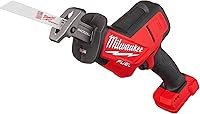
The DeWalt DCS369B suits cramped repair work, especially if you already have a compatible battery and charger. Its body measures 12.5 in from front to back, and its LED helps light dark work areas.
The tool-free blade release helps when switching between materials, but disconnect the battery before making changes. Although this is a one-handed design, clamp the work rather than holding loose metal with your free hand.
Skip it if you want corded power or need a tool for repeated, accurate cuts in heavy stock. This is a tool-only saw, so include a compatible battery, charger, and suitable metal blades in your buying plan.
For the broader tool choices, see our reciprocating saw guide. The name “Sawzall” describes the same basic tool type, as explained in Sawzall versus reciprocating saw.
Which blade should you buy for metal?
Buy a metal-cutting blade with teeth matched to the section thickness, not just a pack marked “demolition.” Tooth count, blade length, and the metal itself all affect the choice.
TPI means teeth per inch. Thin material generally needs finer teeth so several teeth stay engaged, while thicker sections need enough room between teeth to clear chips.
For pipe, choose teeth by wall thickness, then choose blade length by the outside size. A wide, thin-wall tube needs reach without the coarse teeth you might choose for thick solid stock.
DeWalt mixed set: for repairs across different materials
The DeWalt 12-Piece Bi-Metal Blade Set suits mixed repair work with a DeWalt reciprocating saw. It includes metal, wood, and demolition blades, plus an expandable storage case.
Choose the finer metal blades for thinner sections when the blade's guidance supports that use. Keep the wood blades separate so you don't accidentally fit coarse teeth for a thin metal cut.
Skip this assortment if you only repeat one type of metal cut. A pack of matching blades avoids collecting wood and demolition blades you won't use.
TOLESA matching pack: for repeated cuts in suitable stock
The TOLESA pack suits repeated cuts that need the same blade pattern. Its bi-metal blades have an 8% cobalt edge and a 1/2-inch shank compatible with common reciprocating saw brands.
TOLESA specifies sheet thicknesses of 2–8 mm and pipe or profile diameters under 7 in. Those size limits still require enough clearance for the blade to pass beyond the work throughout the saw's stroke.
Skip these for very thin sheet that needs finer teeth, or narrow cuts where the extra reach gets in the way. A long blade can flex and strike hidden objects behind the cut.
How do you set up and cut metal?
Clamp the work, clear the blade path, and start under control. Support the piece close to the cut while leaving room for the offcut to separate without pinching the blade.
- Identify the metal and mark the cut line.
- Remove the battery or unplug the saw, fit the correct blade, and confirm it locks securely.
- Clamp the work against sliding or rolling, and check behind it for hidden services or obstacles.
- Wear eye and hearing protection, then restore power and brace the shoe against the work.
- Start slowly and ease the moving blade into the metal, following the saw manual's starting procedure.
- Maintain alignment and steady pressure, then release the trigger and let the blade stop before setting the saw down.
Use the blade maker's speed guidance rather than holding the trigger fully down for every metal. If your saw has orbital action, use its recommended metal-cutting setting, usually straight reciprocating motion.
For installed pipe, identify the contents and arrange isolation, draining, and pressure release as needed. Leave gas lines and unknown services to a qualified professional.
See how to use a reciprocating saw for more handling guidance. If the blade clamp is unfamiliar, follow how to change a reciprocating saw blade before restoring power.
How do you prevent chatter, binding, and overheating?
Fix the support or blade choice before adding pressure. More force can bend the blade, increase heat, or make a poorly clamped piece shake harder.
- Chatter: Move the clamp closer to the cut and keep the shoe in contact with the work.
- Snagging on thin metal: Check that enough teeth stay engaged, and use a finer blade where needed.
- Binding: Stop and check whether sagging stock or the falling offcut is closing the cut.
- Slow progress: Inspect for worn teeth and confirm the blade suits the metal.
- Wandering: Keep the saw aligned instead of twisting it to steer the blade.
If a blade jams, release the trigger and disconnect power before freeing it. Don't pull the trigger repeatedly to shake a trapped blade loose.
Use cutting lubricant only where the saw and blade instructions permit it. Keep it away from electrical parts and gripping surfaces.
How should you support pipe and sheet metal?
Stop pipe from rolling and sheet metal from flexing. Both problems can make the blade catch even when you've chosen the right teeth.
For pipe, use a vise or suitable clamps and support long lengths so they cannot swing as the cut finishes. Keep the blade clear of the vise jaws and the surface underneath.
For sheet, clamp close to the line without blocking the shoe or blade. A sacrificial backing board can reduce flex if the blade suits both materials and the path behind them is clear.
Don't force tight curves through sheet metal with a long reciprocating blade. Use shears or a suitable sheet-metal tool when the shape and edge matter.
How do you care for the saw and blades afterward?
Disconnect power and let the blade and metal cool before handling them. Freshly cut edges can have sharp burrs, so secure the piece before deburring it with a suitable tool.
Inspect blades for bends, cracks, and missing teeth before storing them. Replace damaged blades rather than trying to straighten them for another powered cut.
Brush away loose chips as directed by the saw manual, keeping debris out of the blade clamp and vents. Store dry blades with their teeth protected, and separate worn blades from usable spares.
Which setup should you choose for your metal cuts?
Choose a reciprocating saw for metal when access matters more than a finished edge. Pick the compact DeWalt for cramped repairs, the DeWalt blade assortment for mixed materials, or the TOLESA pack for repeated cuts within its stated range.
For accurate angles or repeated cuts in stock, choose a suitable metal-cutting band saw or chop saw. For thin sheet with a visible finished edge, choose shears or another tool designed for sheet metal.
If you're considering a jigsaw for a more controlled cut, read reciprocating saw versus jigsaw. For other jobs your saw can handle, see what a reciprocating saw is used for.
Frequently asked questions
Can a reciprocating saw cut metal pipe?
Yes, a reciprocating saw can cut metal pipe with a suitable metal blade; clamp the pipe against rolling and choose teeth for its wall thickness, rather than its outside diameter. For installed pipe, identify its contents and have it isolated, depressurized, and drained as appropriate before cutting.
What blade should I use to cut metal with a reciprocating saw?
Use a blade marked for your metal and its thickness; fine teeth suit thin walls because several teeth need to stay engaged, while thicker stock needs enough space between teeth to clear chips. Follow the blade maker's material guide, and choose enough length to clear the far side throughout the stroke.
Can a reciprocating saw cut thick steel?
A reciprocating saw can cut some thick steel with a blade rated for that material and section size; expect slower progress than through thin tubing, and avoid forcing the tool. For repeated cuts in heavy stock, a metal-cutting band saw or suitable chop saw is often a better choice.
Is a reciprocating saw good for cutting metal?
A reciprocating saw is useful for demolition, trimming fasteners, and cutting metal where access is awkward; choose it when a rough edge is acceptable and you can brace the shoe against the work. For accurate angles, repeated cuts, or neat sheet-metal edges, choose a tool designed for that finish.