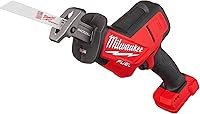
8 Best Budget Reciprocating Saws (November 2026)
The best budget reciprocating saws include the Skil 9206-02 Recip Saw for corded home projects, the Black+Decker BDCR20B Recip Saw for existing POWERCONNECT users, and the SEESII Cordless Recip Saw Kit for first-time cordless buyers.
On this page (8 sections)
- How we chose these budget reciprocating saws
- The best budget reciprocating saws for different jobs
- How to choose the best budget reciprocating saw for your work
- Which blades make a budget saw more useful?
- How should you set up the saw before the first cut?
- Which common mistakes waste blades and battery power?
- How do you care for a budget reciprocating saw?
- Which budget reciprocating saw should you choose?
The Skil 9206-02 Recip Saw is the best budget reciprocating saw for home projects near an outlet. Choose Black+Decker if you already use POWERCONNECT batteries, or SEESII if you need a cordless kit with batteries and a charger.
Spend your budget on a saw that fits your work area and leaves room for suitable blades. A large accessory bundle won't help if the saw needs the wrong electrical supply or its blade can't handle your material.
For choices beyond this budget group, compare the best reciprocating saws. If you already know you need battery power, our best cordless reciprocating saws guide offers a wider comparison.
Our picks at a glance
-
1

-
2
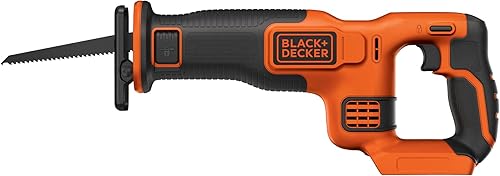 Best for existing POWERCONNECT users
Black+Decker BDCR20B Recip Saw
7.4/10 our score
See it on Amazon -
3

How we chose these budget reciprocating saws
We compared job fit, power requirements, control features and package contents. The strongest choices solve a clear buying need, such as cutting near an outlet, reusing batteries or starting with a complete cordless setup.
We gave extra weight to practical features: a shoe that supports the cut, easy blade changes and speed control for starting without a sudden jump. We also separated useful accessories from claims about speed or runtime.
Motor current, battery voltage and maximum cutting speed measure different things. None gives a reliable ranking of cutting performance across these corded and cordless saws.
Electrical compatibility also affects the shortlist. The DEKOPRO has a specific regional power requirement, while the Black+Decker needs a compatible battery setup that isn't part of its package.
| Product | Best for | Power | Weight | Blade change | Our score |
|---|---|---|---|---|---|
| Skil 9206-02 Recip Saw | corded home projects | 7.5 A, corded electric | 7.1 lb | Tool-less | 7.8 |
| Black+Decker BDCR20B Recip Saw | existing POWERCONNECT users | 20V MAX battery platform | 4 lb | Tool-free | 7.4 |
| SEESII Cordless Recip Saw Kit | first-time cordless buyers | 21V battery powered | 7.0 | ||
| WEN 3630 Corded Recip Saw | awkward cutting positions | 10 A, corded electric | 7.7 lb | 7.0 | |
| DEKOPRO 710W Recip Saw | UK home repairs | 710 W, corded electric | 6.9 | ||
| SOARFLY 21V Recip Saw Kit | portable repair kits | 21V battery powered | 6.8 | ||
| FULLYEA 20V Recip Saw | occasional small repairs | Battery powered | 6.6 | ||
| TaskStar Cordless Recip Saw Kit | dim indoor repairs | 21V battery powered | 6.6 |
The best budget reciprocating saws for different jobs
Choose Skil for corded household work, Black+Decker for an existing POWERCONNECT setup, or SEESII for a first cordless package. WEN is worth choosing over the higher-ranked picks when its adjustable head solves a difficult cutting position.
Skil 9206-02 Recip Saw: Best for corded home projects
- 7.5-amp motor
- Tool-free blade change
- Counter balance for vibration control
- Pivoting foot
A practical choice for household cutting near an outlet. Its pivoting foot and counter balance address support and vibration without adding batteries to your setup.
Pros
- Tool-free blade changes
- Counter balance for vibration control
- Metal gear housing
Cons
- Needs outlet access and cord management
- Less appealing for frequent overhead cuts
The Skil is the most straightforward choice for homeowners who need to remove damaged wood, break down scrap or tackle occasional rough cutting. Its 7.5-amp corded motor avoids battery charging between sessions.
The metal gear housing is a useful construction detail for a tool used around demolition debris. Skil also includes a counter balance for vibration control and a pivoting foot to support the saw against the work.
At 7.1 lb, this is a saw to position with care rather than hold at arm's length. Set up the job so you can keep both hands on the tool and bring the work to a comfortable height where possible.
The included wood blade gets you started on suitable wood cuts. Add the correct blade before tackling nail-embedded boards or metal.
Buy it for occasional home projects with dependable outlet access. Skip it if cord routing would dominate every job; our guide on how to use a reciprocating saw covers positioning and control.
Black+Decker BDCR20B Recip Saw: Best for existing POWERCONNECT users
- 20V MAX POWERCONNECT platform
- Variable-speed trigger
- Pivoting shoe
- Battery not included
The clearest cordless fit for buyers who already have compatible POWERCONNECT batteries and a charger. Its electric brake and compact design suit short household repair jobs.
Pros
- Compact design
- Tool-free blade changes
- Electric brake
Cons
- Battery not included
- New platform buyers need a compatible battery and charger
The Black+Decker is the clearest cordless choice for someone who already owns compatible POWERCONNECT batteries and a charger. It adds a cutting tool to that setup without requiring another battery system.
Its variable-speed trigger reaches up to 3,000 strokes per minute. Start a cut gently, then increase speed as the blade settles into the material.
A pivoting shoe helps maintain support as your cutting angle changes. The electric brake helps stop blade movement after you release the trigger, but you still need to wait for a complete stop before setting the saw down.
The saw's 4 lb weight makes it worth considering when larger corded bodies feel awkward. The package includes a blade, but the battery is separate.
Buy it for short repairs spread around the home. Skip it as an automatic budget choice if you need all the power equipment too; our DeWalt DCS369B review covers another cordless option.
SEESII Cordless Recip Saw Kit: Best for first-time cordless buyers
- Two 21V 4.0Ah batteries included
- Six blades
- Tool-free blade change
- Built-in LED work light
A cordless starting point with batteries, a charger and blades for wood and metal. The LED helps illuminate the cut line inside cabinets and other dim work areas.
Pros
- Two batteries and charger included
- Wood and metal blades included
- LED work light
Cons
- Requires a separate charging setup
- Shorter stroke than the WEN
The SEESII makes sense for a first cordless setup because it includes two 21V 4.0Ah batteries, a charger and six blades. You can plan around one package instead of matching a bare tool with separate power accessories.
Its wood and metal blades cover different starting tasks, while tool-free changes reduce the interruption between materials. Check each blade's intended use before fitting it.
The 200W brushless motor drives a 15 mm stroke. That shorter blade travel may appeal for modest repair cuts, but it isn't a reason to expect faster progress through thick demolition stock.
An LED illuminates the area near the blade, which helps inside a cabinet or under a workbench. Add room lighting so you can also see your grip, supports and the space behind the cut.
Buy it for mixed, occasional cordless repairs from scratch. Skip it if your existing battery system already has a suitable saw; our cordless reciprocating saw selection guide explains that tradeoff.
WEN 3630 Corded Recip Saw: Best for awkward cutting positions

- 10-amp motor
- Eight-position pivoting head
- 0 to 2,800 strokes per minute
- Two blades included
Choose this corded saw when head adjustment helps you keep a comfortable grip around an obstruction. WEN includes a wood blade and a metal blade.
Pros
- Eight head positions
- Adjustable shoe
- WEN backs it with a two-year warranty
Cons
- Needs outlet access
- Heavier than the Skil
The WEN is the better fit when an obstruction makes a normal grip uncomfortable. Its head has eight positions at 45-degree intervals, giving you more ways to orient the tool before starting.
That adjustment serves a different purpose from a pivoting shoe. The head changes the tool's working position, while the shoe supports it at the material.
A 10-amp motor, pressure-sensitive trigger and 1-1/10-inch stroke define its cutting setup. WEN specifies capacity up to 4-1/2 inches in wood and 3/5 inch in metal, with the right blade and working conditions.
The package includes a wood blade and a metal blade. Its 7.7 lb weight makes supported positioning especially useful during longer cuts.
Buy it for corded work where head adjustment solves an access problem. Skip it if you mainly want a saw for quick cuts far from power; compare other outlet-powered options in our best corded reciprocating saws guide.
DEKOPRO 710W Recip Saw: Best for UK home repairs

- 710W corded motor
- Variable speed up to 2,800 SPM
- Four blades included
- Tool-free blade change
A corded starter option for homes with the specified 230V to 240V electrical supply. Two wood blades and two metal blades cover basic material changes.
Pros
- Four starter blades
- Adjustable front shoe
- Variable speed
Cons
- Requires compatible 230V to 240V power
- Unsuitable for direct use on standard US household power
The DEKOPRO belongs on your shortlist only if your electrical supply matches its 230V to 240V requirement for UK homes. It isn't a direct fit for a standard US household outlet, and a plug adapter alone doesn't change voltage.
For a compatible home setup, its package offers two wood blades and two metal blades. That gives you a spare in each category while you learn which replacement blades your jobs need.
The corded motor is rated at 710W, with variable speed up to 2,800 strokes per minute and a 20 mm stroke. An adjustable front shoe gives you a way to set support at the cut.
DEKOPRO specifies cutting depths of 115 mm in wood and 4 mm in metal. Those limits matter more than the broad promise of cutting several materials.
Buy it for basic repairs on compatible power. Skip it if you need thicker metal capacity or would need extra electrical equipment just to operate it.
SOARFLY 21V Recip Saw Kit: Best for portable repair kits

- Two 21V 4.0Ah batteries
- Eight blades
- Brushless motor
- Carrying case included
A cordless package for keeping the saw, batteries and accessories together between repair jobs. Its carrying case is useful when storage and transport matter.
Pros
- Two batteries and charger included
- Eight blades and carrying case
- Brushless motor
Cons
- Requires battery charging
- SOARFLY requires two-handed operation
The SOARFLY suits buyers who want a carrying case to keep a cordless repair kit together. Its package includes two 21V 4.0Ah batteries, a charger, eight blades, gloves and safety goggles.
A case is useful when the saw moves between storage and different work areas. Keep blade teeth protected inside it, and remove the battery before packing the tool away.
The brushless motor reaches up to 3,500 strokes per minute. Choose cutting speed for the material rather than starting every cut at maximum speed.
SOARFLY requires two-handed operation. Plan your clamping and body position around that instruction, especially when cutting pipe that could roll or an offcut that might drop.
Buy it for portable, supported repair work with accessories kept together. Skip it if your planned task leaves only one hand available for the tool, and don't choose it on the assumption that its runtime will stay the same across different materials.
FULLYEA 20V Recip Saw: Best for occasional small repairs

- Two 2.0Ah batteries
- Four blades
- Tool-free blade change
- Safety switch
A cordless option for short repair sessions, with a spare battery and four starter blades. Check its material-specific cutting limits before choosing it for thicker stock.
Pros
- Two batteries and charger included
- Battery power indicator
- Tool-free blade change
Cons
- Smaller-capacity packs than the 4.0Ah kits
- 50 mm maximum wood cutting depth
The FULLYEA fits occasional small repairs where you can pause between cuts. It includes two 2.0Ah batteries, a charger and four blades, giving you a spare pack without a large blade assortment.
Its battery indicator helps you check charge before moving to another work area. Tool-free blade changes, an LED and a safety switch cover common setup needs.
The important limit is material thickness. FULLYEA specifies maximum cutting depths of 50 mm in wood, 80 mm in plastic pipe and 20 mm in metal.
Check those figures against the whole section you need to cut. A blade long enough to reach through a board doesn't increase the saw's stated capacity.
Buy it for modest stock and short cordless sessions. Skip it for thick timber or sustained removal work, and don't assume that a spare battery will finish charging before the first runs down.
TaskStar Cordless Recip Saw Kit: Best for dim indoor repairs

- Two 4.0Ah batteries
- Eight blades
- Built-in LED light
- Brushless motor
An accessory-rich cordless kit for supported cutting tasks in dim work areas. It includes an LED, storage bag, charger and spare battery.
Pros
- Two batteries and eight blades included
- LED work light
- Safety lock
Cons
- Runtime depends on material and workload
- Poor choice for loose, unsupported branches
The TaskStar is an option for dim indoor repair areas where you also want a broad starter package. It combines two 4.0Ah batteries and eight blades with a charger, storage bag, gloves and safety glasses.
Its LED can help you see the blade's entry point inside a cabinet. Use separate lighting to inspect the full cutting path before starting, particularly near plumbing or wiring.
A 200W brushless motor and two-speed control let you approach a cut slowly before increasing speed. The safety lock helps prevent accidental activation, but remove the battery before blade changes or storage.
TaskStar advises keeping the shoe against secured material. That makes this a better match for supported boards and pipe than for loose branches that bounce with the blade.
Buy it for occasional indoor repairs where the included accessories are useful. Skip it for unsupported pruning, and plan charging breaks rather than expecting the spare pack to remove all downtime.
How to choose the best budget reciprocating saw for your work
Start with where you'll cut, what you'll cut and what you already own. Those answers narrow the choice more effectively than comparing maximum speed or the number of accessories.
Is a corded budget reciprocating saw better value?
A corded saw is a sensible value for a fixed work area because you don't need batteries or a charger. It also suits occasional use when you want to plug in and begin rather than check stored battery charge.
Include a suitable extension cord in your plan if the outlet isn't close. Follow the saw manual's cord requirements, keep connections dry and route the cord away from the blade and falling offcuts.
Cordless is worth choosing when routing a cord would make each task harder. Repairs spread across several rooms can favor battery power even when each individual cut is short.
What should you check in a cordless saw kit?
Check battery compatibility, charger inclusion and replacement support before comparing blade counts. Similar voltage labels don't mean batteries from different brands will fit each other.
Amp-hours describe battery capacity, not a fixed number of cuts. Material, blade condition, pressure and motor load all affect how long a pack lasts.
Two batteries give you flexibility, but continuous work also depends on charging time. Buy for your normal work rhythm rather than a promise that you'll never need a break.
Which control features deserve your attention?
Prioritize a manageable grip, speed control and a shoe you can keep supported. A saw that forces you to reach too far or twist your wrist is a poor match for that cutting position.
A pivoting shoe follows the surface angle. An adjustable shoe can also change how the blade sits relative to the work, while an adjustable head changes the tool's orientation.
Tool-free blade changes help when switching materials, but they don't remove the need to disconnect power. Let a hot blade cool before handling it.
When should you choose a different kind of saw?
Choose another tool when you need a clean, accurate finished edge. A reciprocating saw is mainly for removal, rough cuts and access, rather than neat furniture joints or smooth visible curves.
A jigsaw may suit shaped cuts in supported sheet material better. Our reciprocating saw vs jigsaw comparison explains which tool fits each job.
A reciprocating saw also needs clearance behind the work. If you can't inspect that space, stop and change the cutting plan rather than relying on a short visible blade.
Which blades make a budget saw more useful?
The right blade should match the material, its thickness and any hidden fasteners. Set aside part of your tool budget for blades rather than spending everything on the saw body.
For clean wood, a coarse-tooth wood blade clears chips quickly. For reclaimed boards with nails, choose a blade intended for nail-embedded wood instead of risking a plain wood blade.
Thin metal needs a tooth pattern that keeps several teeth engaged through the cut. A coarse wood blade can snag on thin tubing or sheet instead of cutting steadily.
Use enough blade length to stay through the material throughout the full stroke. Extra length beyond that can flex, so the longest available blade isn't always the easiest to control.
Don't judge a kit by blade count alone. A few blades matched to your actual work are more useful than a larger assortment you rarely need.
For metal jobs, our guide to cutting metal with a reciprocating saw explains blade selection and work support in more detail.
How should you set up the saw before the first cut?
Disconnect power, fit the correct blade and secure the workpiece before you touch the trigger. Then check that the blade's full path is clear of clamps, supports and anything behind the material.
- Unplug the saw or remove its battery.
- Insert the blade according to the tool's instructions and confirm that the clamp holds it.
- Support the work so it won't roll, spring back or pinch the blade.
- Plan where the offcut will move as the cut finishes.
- Put on eye and hearing protection, then position both hands on the tool as directed.
- Reconnect power only when the setup is ready.
Follow the clamp design for your model rather than assuming all quick-release systems work alike. Our guide on how to change a reciprocating saw blade walks through the process.
Rest the shoe against the material where the cut allows it. Start slowly to form a shallow entry, then increase speed and use steady pressure without forcing the motor.
Never use a lock-on control to avoid keeping control of the saw. Know how to stop the tool before you begin, and wait for the blade to stop before lifting it away.
Which common mistakes waste blades and battery power?
The biggest mistakes are using the wrong blade, cutting unsupported material and forcing a dull edge. Fix those problems before assuming you need a more powerful saw.
Pushing harder when cutting slows
Heavy pressure can bend the blade, increase heat and overload the tool. Ease off, disconnect power and check blade condition if progress suddenly drops.
For cordless tools, check charge as well. If the motor becomes hot or repeatedly stops, follow the manual's cooling and restart instructions rather than pulling the trigger again and again.
Letting the saw bounce away from the work
A gap between the shoe and material can let the work shake with the blade. Improve support and bring the shoe into contact where practical.
Don't hold a small offcut with your free hand near the cutting path. Clamp it or use a different method that keeps your hands clear.
Twisting the blade to turn a cut
A reciprocating blade can flex, but forcing it sideways encourages binding and breakage. Stop and reposition for a new cut rather than steering through a tight curve.
If a blade binds, release the trigger and disconnect power before freeing it. Don't keep the motor running while pulling or twisting the tool.
Treating branch cutting like bench work
Pruning needs stable footing and a controlled branch, not just a suitable blade. Avoid overhead cuts, ladders and limbs that can fall toward you.
Use another tool or get suitable help when you can't control the branch's movement. Our guide explains when a reciprocating saw makes sense for pruning.
How do you care for a budget reciprocating saw?
Keep the blade clamp and vents clean, replace damaged blades and store the tool dry. Basic care helps avoid poor blade seating, overheating and trouble at the next job.
Disconnect power before cleaning. Remove loose debris with a brush or cloth, and follow the manual before adding any lubricant to the clamp or other parts.
Check cord insulation, plugs, battery housings and blade retention before use. Stop using damaged power equipment rather than covering a defect or forcing a pack into place.
Remove the blade for storage if its exposed teeth could catch your hand or damage nearby gear. Let the tool cool before closing it inside a case or bag.
For cordless models, follow the battery instructions for charging and storage temperature. Keep packs away from loose metal objects that could bridge their contacts.
Which budget reciprocating saw should you choose?
The best budget reciprocating saw is the one that fits your next job without extra setup costs. Before ordering, match the power source, material thickness and needed blades to a specific project.
- Choose Skil for general household cutting near an outlet.
- Choose Black+Decker when compatible POWERCONNECT batteries and a charger are already part of your tools.
- Choose SEESII when you're starting cordless and want the main accessories together.
- Choose WEN when its adjustable head will improve your cutting position.
- Choose DEKOPRO only with compatible regional power.
- Choose SOARFLY, FULLYEA or TaskStar when their case, cutting limits or accessory mix fits your planned repairs.
Don't buy extra cutting speed to solve a blade or support problem. If you're still unsure which saw type your work needs, use the broader reciprocating saw guide to plan the tool around the job.
Our top 3 picks at a glance
-
1
-
2
Best for existing POWERCONNECT users
Black+Decker BDCR20B Recip Saw
7.4/10 our score
See it on Amazon -
3
Frequently asked questions
What is the best budget reciprocating saw for home use?
The Skil 9206-02 Recip Saw is our first choice for household cutting near an outlet; its pivoting foot, tool-free blade changes and counter balance suit basic repair and removal work. Choose a cordless option instead if your main jobs involve moving between rooms or working beyond practical cord reach.
Should I buy a corded or cordless budget reciprocating saw?
Choose corded for a fixed work area and cordless for jobs spread around the home or yard. Count batteries and a charger as part of the setup, rather than comparing saw bodies alone; a tool-only cordless model makes the most sense when you already own compatible power equipment.
Do budget reciprocating saws come with blades?
Many budget saws include starter blades, but the number and intended materials vary. Check that the package covers your first job, then allow for replacement blades; a wood blade isn't automatically suitable for hidden nails, and a general metal blade may be a poor match for very thin sheet.
Can a budget reciprocating saw cut metal?
Yes, a suitable saw and metal-cutting blade can handle metal within the tool's stated limits. Clamp the work, start slowly and keep the shoe supported against the material; blade choice depends on the metal's thickness and shape; our metal-cutting guide explains how to plan the cut.