Can You Prune Trees With a Reciprocating Saw?
Yes, a reciprocating saw for pruning works for reachable branches when you fit a pruning blade and can control the cut. Choose hand tools for precise shaping, and leave high, heavy, or unstable limbs to a qualified tree professional.
On this page (8 sections)
- When does a reciprocating saw for pruning make sense?
- Which pruning blade should you buy?
- How do you choose the saw itself?
- How do you set up and cut a branch?
- How do you protect a living tree during the cut?
- What mistakes cause binding and damaged blades?
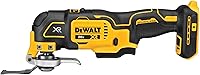
- Is an oscillating multi-tool a better pruning choice?
- Which reciprocating saw for pruning setup should you choose?
Yes, a reciprocating saw for pruning works for reachable branches and yard cleanup when you use a wood-pruning blade and can control the cut. Hand pruners, loppers, or a pruning saw are better for small stems and careful shaping.
If you already have a suitable saw, start by choosing the right blade rather than buying another tool. Branch size, access, and support matter more than choosing the longest blade available.
When does a reciprocating saw for pruning make sense?
Use a reciprocating saw for accessible branch removal and cutting fallen wood when you have firm footing and room for the blade's full movement. It makes sense for cleanup that would take repeated strokes with a manual saw.
Skip it for delicate shaping, crowded branch junctions, or cuts where the blade could hit the trunk. Thin, flexible stems can shake with the blade instead of staying still enough to cut.
Judge the branch before judging the tool: consider its weight, where it will fall, and whether it could swing or trap the blade. Leave hanging storm damage, heavy limbs, and work near power lines to qualified professionals.
For the tool's broader role alongside other cutting tools, see our complete guide to reciprocating saws and multi-tools.
Which pruning blade should you buy?
Choose a wood-pruning blade that fits your saw and clears the branch throughout the stroke. Use the shortest blade that provides that clearance, since extra length creates more room for flex and accidental contact.
EZARC 15-Inch Pruning Blades: for extra working length
Choose this set when a shorter blade won't provide enough clearance through a manageable branch. The blades have a curved profile, 6 TPI teeth, deep gullets, and a 320 mm working length.
EZARC specifies cutting wood up to 300 mm in diameter, including wet wood, dry wood, green timber, and firewood. That capacity describes the blade, not a safe size limit for removing a standing limb.
Skip this set for Ryobi reciprocating saws, which EZARC excludes from compatibility. Also choose a shorter option when it clears your branch, especially where the tip could strike nearby wood.
EZARC 12-Inch Pruning Blades: for cuts with less excess blade
Choose this set when you want a curved pruning blade without the extra length of the larger EZARC. Its 6 TPI teeth and deep gullets are designed to clear chips from wood cuts.
These chrome vanadium steel blades suit wet wood, dry wood, green timber, and firewood. EZARC specifies a cutting capacity up to 250 mm, but leave clearance for the stroke rather than treating that number as your target branch size.
Skip them if your branch needs more working length or you can't confirm the shank fits your saw. Don't assume compatibility details for one EZARC set apply to every other set.
HORUSDY 12-Inch Pruning Blades: for cleanup with spare blades
Choose the HORUSDY set if you want several spare blades and a storage case for recurring cleanup. The pack contains 5 high-carbon steel blades with coarse 5 TPI teeth for rough wood cutting.
Their standard 1/2-inch shank fits major saw brands, including Ryobi. That makes this set an option for Ryobi users who need an alternative to the longer EZARC set.
Skip these for nail-embedded wood or fine shaping cuts. Although they're intended for roots as well as branches, expose and clean roots before cutting because soil and stones quickly damage wood-cutting teeth.
How do you choose the saw itself?
Choose a saw you can hold steadily with both hands in the actual cutting position. A tool that's awkward to support will be harder to guide as the branch moves.
For a corded saw, plan the route from the outlet to the work area before buying. Use the extension cord and electrical protection required by the manual, and keep connections away from wet ground.
Cordless power avoids a trailing cord, but battery choice and charging become part of the setup. If you already own a suitable saw, a compatible pruning blade may be all you need.
The Black+Decker BES301K Branch Saw suits reachable cleanup near a suitable power supply. It has a 7 A corded motor, tool-free blade release, and a removable branch holder.
BLACK+DECKER says the holder secures limbs to reduce shaking and vibration. Follow its limits and positioning instructions, since it doesn't control the falling section of a branch.
The saw includes 1 general-purpose blade, so choose a dedicated pruning blade for this work. Skip this model if the cord would cross paths or snag around shrubs, or if you mainly need precise shaping.
How do you set up and cut a branch?
Start with a small, manageable branch and a clear drop zone. Read the saw manual, wear eye and hearing protection, and keep other people away from the cutting area.
- Check your footing and make sure the cut stays below shoulder height.
- Inspect the wood for splits, trapped tension, nails, wire, and other obstructions.
- Disconnect power before fitting the blade, then confirm the clamp locks securely.
- Check that the blade tip will clear the branch throughout its stroke without hitting anything beyond it.
- Support manageable wood so it can't roll, swing toward you, or close the cut around the blade.
- Use the designated grips and position the shoe against the wood as directed in the manual.
- Start under control and let the teeth advance without heavy pushing.
Never hold a branch in your free hand while operating the saw. For fallen wood, use a stable support that leaves clearance beneath the cut and keeps the blade out of soil.
Our guide to how to change a reciprocating saw blade covers blade fitting. Read how to use a reciprocating saw for more on grip and cutting technique.
Can a reciprocating saw for pruning cut branches overhead?
Avoid overhead pruning and ladder use with this tool. A sudden bind or branch movement can shift the saw and upset your balance.
A longer blade doesn't make a distant cut manageable. Hire a qualified tree professional for high or heavy limbs, and leave work near electrical lines to professionals qualified for that work.
How do you protect a living tree during the cut?
Protect the branch collar, the swollen area where the branch joins the trunk. Avoid cutting flush into the trunk or letting the blade rub against nearby bark.
Branch weight can tear bark before the cut is complete. If you can't support the branch safely or make the required relief cuts with control, use another approach or get qualified help.
Don't force a wide blade into a crowded branch junction just because it can reach. A manual pruning saw may give you a clearer view and more control over the final cut.
For tree-specific timing and pruning choices, follow advice from a qualified arborist or your local extension service. Tool capacity doesn't determine how much living growth a tree should lose.
What mistakes cause binding and damaged blades?
The main mistakes are forcing the cut, twisting the saw, and allowing wood to pinch the blade. Keep the blade aligned and stop when the cut stops progressing normally.
If it binds, release the trigger and wait for all movement to stop. Disconnect power before freeing it, then correct the support or cutting position instead of restarting in the same pinch.
Don't lever the saw sideways to widen the cut or pull a moving blade out of a jam. Those habits can bend the blade and make the tool harder to control.
Keep pruning blades away from hidden metal. For mixed-material cleanup, our guide to cutting metal with a reciprocating saw explains when to change blade types.
After use, disconnect power and remove chips and sap using a cleaner approved for the blade. Dry it before storage, check for bent sections or damaged teeth, and replace blades that need increasing pressure to cut.
Is an oscillating multi-tool a better pruning choice?
A reciprocating saw with a pruning blade is the better fit for branch removal. For precise cuts on a living tree, choose hand pruners or a manual pruning saw before an oscillating multi-tool.
An oscillating tool suits small wood cuts in confined spaces, but that doesn't make it a useful replacement for a pruning setup. Compare their other jobs in reciprocating saw versus oscillating multi-tool.
Which reciprocating saw for pruning setup should you choose?
Choose your reciprocating saw for pruning setup by fit, clearance, and access. Start with a compatible blade if your current saw is comfortable to control.
Pick the shorter EZARC for cuts it clears, the longer EZARC when extra working length is necessary, or HORUSDY when spare blades and Ryobi compatibility matter. Consider the BES301K if you need a corded saw and its branch holder suits your work.
Use hand tools for fine cuts, and get qualified help when branch movement is uncertain. For other jobs that could justify the tool, see what a reciprocating saw is used for.
Frequently asked questions
Can a reciprocating saw cut tree branches?
Yes, a reciprocating saw can cut reachable branches with a pruning blade suited to the wood. Choose cuts you can make from stable ground while keeping clear of falling wood, use hand tools for small or precise work, and leave high, heavy, or unstable limbs to a qualified tree professional.
What blade should I use for pruning with a reciprocating saw?
Use a coarse-tooth pruning blade made for green or dry wood, with enough working length to extend beyond the branch throughout the stroke. Check compatibility with your saw and follow its manual, since overall blade length includes the mounting end and isn't the same as usable cutting length.
Can a reciprocating saw prune a tree while standing on a ladder?
Don't prune with a reciprocating saw from a ladder, because binding or branch movement can upset your balance. Work from stable ground with the saw below shoulder height, keep others outside the drop zone, and get qualified help when a branch is beyond comfortable reach or difficult to control.
Is a reciprocating saw good for live branches?
A reciprocating saw can cut live branches with a blade designed for green wood, but hand pruners or a pruning saw give more control for careful shaping. Preserve the branch collar, prevent bark tearing, and choose another approach if you can't guide the blade without striking nearby bark or branches.