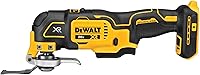
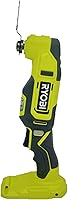
Can an Oscillating Multi-Tool Cut Drywall?
Yes, an oscillating multi tool for drywall works well for small openings and short cuts with a compatible drywall blade. Locate hidden wiring and pipes before cutting, and use a utility knife for long cuts across loose sheets.
On this page (8 sections)
- When should you use an oscillating multi-tool for drywall?
- What should you check before buying a drywall blade?
- How do you set up and cut drywall safely?
- How do you size outlet and recessed light openings?
- Which mistakes cause rough edges or damaged blades?
- How can you keep drywall dust under control?
- Is a multi-tool better than a jab saw or reciprocating saw?
- Which oscillating multi-tool setup for drywall should you choose?
Yes, an oscillating multi tool for drywall can make straight cuts, curves, and plunge cuts with a compatible drywall blade. It's most useful for electrical box openings, recessed light cutouts, and small repairs in installed board.
The blade and your cut layout matter more than buying a powerful tool for this job alone. Locate hidden wiring and pipes first, then mark the opening and remove only the material needed.
For other jobs the same tool can handle, see common oscillating multi-tool uses.
When should you use an oscillating multi-tool for drywall?
Use an oscillating multi-tool for short cuts and shaped openings, especially where a larger saw would be awkward. For long straight cuts across a loose sheet, scoring with a utility knife and snapping the board is usually simpler.
A multi-tool also helps trim an opening that is slightly too small. Remove a little at a time, then check the fit instead of cutting a wider outline all at once.
For a repair patch, plan the opening around sound board and suitable backing. Cutting a neat rectangle won't help if the patch has nothing secure to attach to.
Don't buy a powered tool just to make one easy opening if a manual drywall saw already meets your needs. If you'll also trim door casing or scrape material, the broader uses may justify it.
What should you check before buying a drywall blade?
Check the exact mounting system first, then choose a blade shape suited to your cuts. A familiar brand name on the compatibility list isn't enough to confirm fit.
Match your tool's model number to the blade's compatibility guidance, including any adapter requirement. Starlock and standard accessory mounts need particular attention because they aren't interchangeable across all tools.
For plunge cuts, look for a tip designed to enter the board. For circular openings, a narrow blade gives you room to turn without forcing a wide cutting edge around a tight curve.
Pack size matters mainly if you expect repeated work or want spare blades ready. For occasional repairs, one suitable blade may be enough.
If you also need the tool itself, compare cordless oscillating multi-tools for work where moving between rooms makes a cord inconvenient. Check accessory fit before committing to either a tool or blade set.
Which oscillating multi-tool blade for drywall suits mixed repairs?
The LEILUO Drywall Blade Set suits a remodel that includes drywall plus softwood, PVC, or plastic trim. Its hardened steel blades offer a broader material range than a drywall-only choice.
Its standard quick-release interface supports compatible DeWalt, Makita, Milwaukee, and Ryobi tools. It does not fit Starlock, Starlock Plus, or Starlock Max, so owners of those systems should skip it.
Choose this set when your repair moves between a wall opening and nearby trim or plastic work. Skip it if you only need one drywall blade and don't expect other cutting tasks.
LEILUO describes the tooth geometry as reducing airborne gypsum dust. Plan dust control anyway, since blade design doesn't remove the need to collect dust and protect the work area.
Who should choose HEMUNC Drywall Blades?
HEMUNC Drywall Blades suit repeated box openings or several ceiling cutouts. The 4-pack gives you spare drywall blades without choosing a mixed-material set.
The blades support straight and curved cuts, with piercing tips and an offset hole pattern for the cutting angle. HEMUNC recommends starting slowly when entering the board.
Choose them for a room renovation with several marked openings, especially when curves are part of the work. Skip the pack if you need blades for other materials or only want a single accessory.
HEMUNC names specific compatible models from several brands, including Bosch and Fein. Check the exact model and adapter needs rather than assuming that every tool from those brands fits.
Who should choose the Dremel MM435?
The Dremel MM435 Drywall Jab Saw suits occasional drywall work when you want one accessory. It makes straight and curved cuts, and its sharpened tip can start a plunge without a pilot hole.
The offset hole pattern sets the cutting angle, while Dremel's Universal Quick-Fit design supports many oscillating tool brands. Confirm the fit for your exact model.
Choose it for a small repair or a few openings when spare blades aren't a priority. Skip it if you need a multipack for repeated work or want an accessory intended for mixed materials.
How do you set up and cut drywall safely?
Confirm a clear cutting path, mark the opening, and fit the blade with the power disconnected. A shallow cut can still contact wiring or pipes pressed close to the back of the board.
Locate framing and hidden services before starting. Before work near wiring, turn off the circuits serving the area and verify that the wiring is de-energized with a suitable tester.
Stop if you can't guarantee where services run or verify electrical isolation. Get help from a qualified professional before cutting an uncertain area.
- Trace the box or fixture template, checking its required orientation and clearance.
- Remove the battery or unplug the tool before mounting the blade.
- Seat and secure the blade as the tool instructions require.
- Arrange suitable dust collection, eye protection, and respiratory protection for the task.
- Start at a low speed and enter inside the waste area.
- Guide the blade toward the outline with light pressure and short passes.
- Stop short of corners and finish each one carefully.
- Remove the waste piece and check the opening before trimming further.
If cutting a loose piece of board, support it so it can't shift or sag. Keep your supporting hand clear of the blade's path and the underside of the cut.
For more detail on blade positioning and tool control, read how to use an oscillating multi-tool.
How do you size outlet and recessed light openings?
Use the box or fixture manufacturer's cutout dimensions, rather than the outside edge of its cover or trim. The visible cover is usually larger than the opening it conceals.
For a remodel electrical box, preserve the drywall needed by its clamping tabs. An oversized hole can leave the tabs without enough sound board to grip.
For recessed lighting, trace the required circle and confirm clearance above the ceiling. Locate joists, wires, pipes, and other obstacles before beginning.
Work around curves in short sections, changing the tool angle as needed. Don't twist the blade sideways to force a turn.
Support the waste piece as the last section separates so it doesn't tear the surrounding paper. Check the fit, then trim only the tight spots.
Which mistakes cause rough edges or damaged blades?
Too much pressure, overcut corners, and forced turns are common causes of poor results. Let the teeth cut instead of pushing the tool through the board.
Don't use higher speed to solve every cutting problem. If progress slows, stop and check for a worn blade, packed teeth, poor alignment, or an obstruction.
Don't assume a drywall blade can cut a hidden fastener. Stop at unexpected resistance and identify it before choosing another accessory.
Keep the blade aligned with the cut instead of levering against the edge. Side pressure can widen the opening and damage the blade.
After use, disconnect power and let the accessory cool before handling it. Brush away debris, inspect for bent sections or damaged teeth, and store blades where their edges won't strike other tools.
How can you keep drywall dust under control?
Collect dust near the cut and contain the work area before starting. Even a small opening can spread fine powder onto floors, furniture, and nearby surfaces.
Use collection equipment suited to fine drywall dust and follow its filter and operating instructions. An unsuitable vacuum can release fine particles back into the room.
Wear eye protection and respiratory protection appropriate to the task, especially for overhead work. Keep other people clear and avoid sweeping or blowing settled dust into the air.
If the wall material is uncertain, identify it before disturbing it. Older wall finishes or textured coatings may need a different approach from known modern gypsum board.
Is a multi-tool better than a jab saw or reciprocating saw?
A multi-tool suits precise small openings, a manual jab saw suits occasional cuts, and a reciprocating saw suits rough removal with adequate clearance. Choose around the finished edge you need and the space behind it.
A manual saw needs no battery and can be enough for a few boxes. A powered multi-tool becomes more useful as the number of openings grows or access gets awkward.
A reciprocating saw's longer blade stroke needs more room behind the board. Compare reciprocating saw vs oscillating multi-tool before using one near a finished surface.
For larger removal work, the reciprocating saw guide explains the tool category. Neither powered saw replaces a utility knife for simple score-and-snap sheet sizing.
Which oscillating multi-tool setup for drywall should you choose?
Choose LEILUO for mixed indoor repairs, HEMUNC for repeated drywall openings, or Dremel MM435 for occasional cuts. Buy only after confirming the accessory fits your exact tool.
An oscillating multi tool for drywall earns its place on small, controlled openings. Use a utility knife for long cuts on loose sheets, and choose a manual jab saw if a simple hand tool covers your job.
If you still need the power tool, start with how to choose an oscillating multi-tool and match its mount to the blades you plan to use.
Frequently asked questions
Can an oscillating multi-tool cut a hole in drywall?
Yes, an oscillating multi-tool with a compatible drywall blade can cut openings for electrical boxes or recessed lights. Trace the required shape and locate wiring, pipes, and framing first, then start inside the waste area and work toward the line, keeping blade penetration limited to what the cut requires.
What blade should I use to cut drywall with an oscillating multi-tool?
Choose a drywall jab-saw blade that fits your exact tool model and mounting system. A pointed tip helps start plunge cuts, while a narrow profile helps follow curves; check adapter requirements before buying, since two tools from the same brand may use different accessory mounts.
Can an oscillating multi-tool cut drywall cleanly?
Yes, a suitable blade and light pressure can produce controlled drywall cuts around boxes and small openings. Support loose board, keep the blade aligned, and stop before each corner; trim small high spots afterward instead of enlarging the whole opening to correct one tight spot.
Is an oscillating multi-tool better than a jab saw for drywall?
An oscillating multi-tool is useful for repeated openings and short cuts in tight spaces, while a manual jab saw is a practical choice for occasional work without power or batteries. Neither tool protects you from hidden services, so confirm the cutting path is clear before starting.